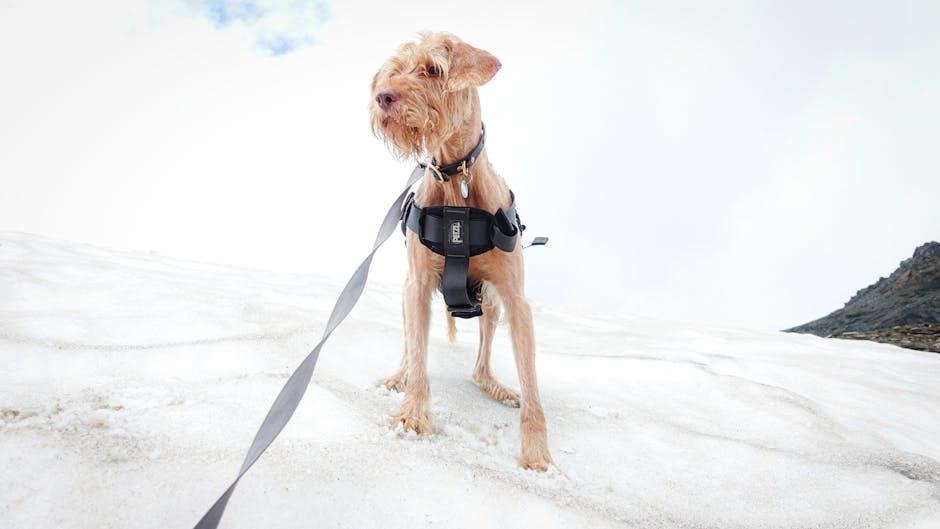
Understanding the Easy Walk Harness
Easy Walk Harness designs gently discourage pulling, offering a comfortable and effective solution for dog owners seeking more enjoyable walks with their canine companions.
This innovative harness redirects your dog’s forward motion when they pull, making walking much easier and more pleasant for both of you, promoting calm control.
What is an Easy Walk Harness?
The Easy Walk Harness is a uniquely designed dog harness created to gently and effectively discourage pulling on the leash during walks. Unlike traditional harnesses that can sometimes encourage pulling by allowing dogs to lean into it, the Easy Walk Harness features a chest strap that sits across the dog’s sternum.
This strategic placement redirects the dog’s attention when they attempt to pull, steering them to the side and disrupting their forward momentum. It doesn’t cause pain or discomfort, but rather gently guides the dog to walk nicely by your side. The harness is constructed with comfortable, padded straps to prevent chafing and ensure a secure, yet comfortable fit.
It’s a popular choice for dog owners dealing with pullers of all sizes and breeds, offering a humane and effective training aid. Many resources, including instructional videos from the Winnipeg Humane Society, demonstrate its proper use.
Benefits of Using an Easy Walk Harness
Employing an Easy Walk Harness delivers numerous advantages for both dogs and their owners. Primarily, it significantly reduces leash pulling, transforming stressful walks into enjoyable experiences. This gentle redirection minimizes strain on your dog’s neck and trachea, crucial for breeds prone to tracheal collapse or those with existing neck sensitivities.
Beyond physical comfort, the harness promotes better communication and control during walks, fostering a stronger bond between you and your canine companion. It’s a valuable training tool, encouraging loose-leash walking habits. The harness’s design distributes pressure evenly across the chest, preventing discomfort and chafing.
Many users report a noticeable improvement in their dog’s behavior on walks, with less reactivity and a calmer demeanor. Resources like PetSafe’s official website and instructional guides highlight these benefits, making it a favored choice for dog owners.
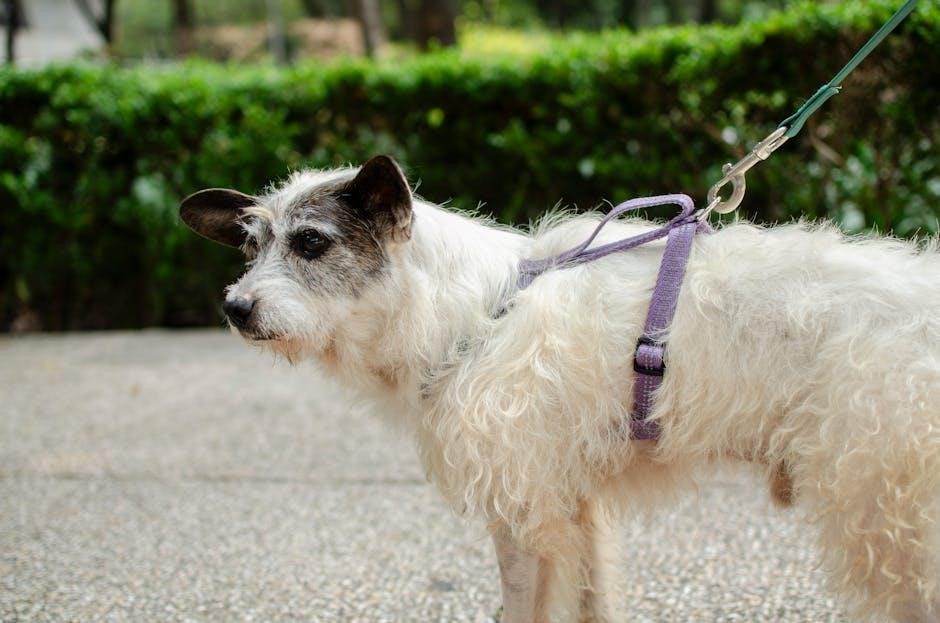
Preparing to Fit the Harness
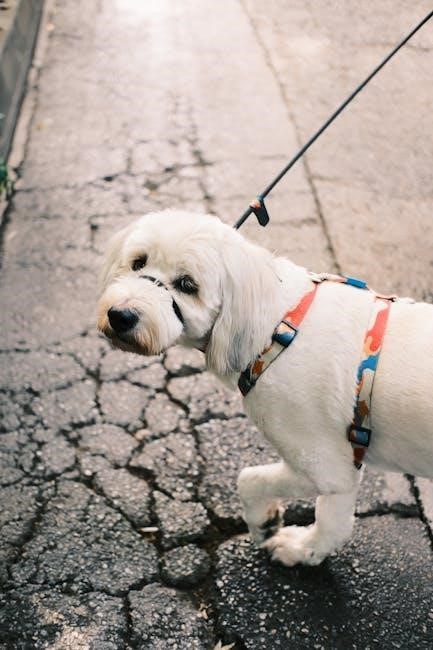
Before fitting, gather your dog’s measurements and the harness itself; ensuring a proper fit is paramount for comfort and effectiveness during walks.
Gathering Necessary Tools
To begin the fitting process, you’ll require a few simple tools to ensure a smooth and accurate experience for both you and your furry friend. First and foremost, have the Easy Walk Harness itself readily available, ensuring you’ve selected the correct size based on your dog’s measurements – chest girth is the most critical factor.
A flexible measuring tape is essential for obtaining precise measurements. This will help determine the appropriate harness size and ensure a comfortable, secure fit. Having treats on hand can be incredibly beneficial, especially if your dog is new to wearing a harness; positive reinforcement encourages cooperation.
Finally, a helper can be useful, particularly for larger or more wiggly dogs, to assist in holding your dog steady during the fitting process. While not strictly necessary, an extra pair of hands can make the task significantly easier and less stressful for everyone involved.
Determining the Correct Harness Size
Accurate sizing is paramount for the Easy Walk Harness to function effectively and comfortably. Begin by measuring your dog’s chest girth – this is the circumference around the widest part of their chest, just behind their front legs. Use a flexible measuring tape, ensuring it’s snug but not tight.
Refer to the PetSafe sizing chart, readily available on their website or packaging, to match your dog’s chest measurement to the corresponding harness size. It’s crucial to choose a size that falls within the recommended range; avoid selecting a size based on weight alone.
If your dog falls between sizes, it’s generally advisable to choose the larger size for a more comfortable fit and greater adjustability. Remember to consider your dog’s breed and build – some breeds may require a different size than indicated by their chest measurement.
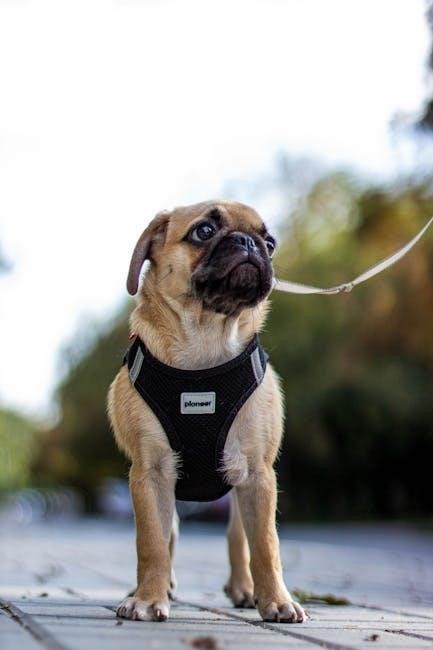
Step-by-Step Fitting Instructions
Fitting requires careful adjustment of both the shoulder and belly straps, ensuring a secure yet comfortable fit for your canine companion during walks.
Follow these steps sequentially for optimal results, prioritizing your dog’s comfort and safety throughout the process.
Step 1: Placing the Shoulder Strap
Begin by carefully lifting the shoulder strap over your dog’s head, ensuring it sits comfortably and securely around their shoulders, not their neck.
The “V” shape of the harness should rest on your dog’s back, with the strap extending down either side of their chest. It’s crucial to avoid tightness; the strap should allow for a full range of motion without constriction.
Ensure the strap isn’t twisted and lies flat against your dog’s body. This initial placement is foundational for a proper fit, influencing the effectiveness of the harness in discouraging pulling. Observe your dog’s reaction – any signs of discomfort indicate a need for adjustment.
Remember, a snug but not tight fit is the goal, allowing for comfortable movement while maintaining control during walks. Proceed to the next step only after confirming the shoulder strap is correctly positioned.
Step 2: Securing the Belly Strap
Now, bring the belly strap around your dog’s torso, positioning it behind their front legs and securing it to the buckle on the opposite side of the harness.
The belly strap should not be overly tight, allowing for at least two fingers to comfortably fit between the strap and your dog’s body. This ensures proper breathing and prevents chafing during walks.
Avoid positioning the strap too low, as it could interfere with your dog’s natural gait. A correct placement will provide gentle pressure when your dog pulls, redirecting their movement without causing discomfort.
Double-check the buckle to confirm it’s securely fastened, preventing accidental release during your walk. A properly secured belly strap is vital for the harness’s functionality and your dog’s safety.
Step 3: Adjusting the Straps for a Snug Fit
With both straps initially fastened, begin fine-tuning the adjustments to achieve a secure, yet comfortable fit for your dog. Start with the shoulder strap, ensuring it sits snugly but doesn’t restrict movement.
Next, adjust the belly strap, maintaining the two-finger rule – you should be able to comfortably slide two fingers between the strap and your dog’s body. Avoid overtightening, which can cause discomfort or chafing.
Observe your dog’s range of motion; they should be able to walk, trot, and sit without significant restriction. The harness should remain in place without slipping or rotating during movement.
Regularly check the fit, especially during longer walks, to ensure continued comfort and effectiveness. Proper adjustment is key to maximizing the benefits of the Easy Walk Harness.
Key Fitting Considerations
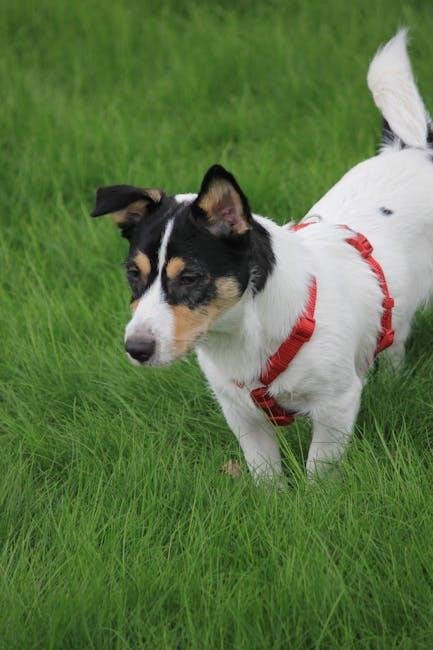
Proper placement is crucial; the chest strap must be perpendicular to the back strap, avoiding the armpit, and the front ring should sit on the sternum.
Chest Strap Placement & Armpit Clearance
Ensuring the chest strap is correctly positioned is paramount for your dog’s comfort and the harness’s effectiveness. The strap should sit perpendicular to the belly/back strap, forming a right angle. This alignment is vital for redirecting your dog’s movement without causing restriction or chafing.
Critically, the chest strap must clear the armpit area completely. This prevents rubbing and potential irritation of sensitive skin. A snug, but not tight, fit allows for a full range of motion while still maintaining control. Observe your dog’s movement; if the strap digs into the armpit, loosen it and readjust. Proper clearance ensures a comfortable walking experience, preventing discomfort and allowing your dog to move naturally.
Regularly check the strap’s position during walks, especially on longer outings, to confirm it remains clear of the armpits and maintains the correct perpendicular angle.
Ensuring Perpendicular Strap Alignment
Achieving perpendicular alignment between the chest and belly/back straps is fundamental to the Easy Walk Harness’s functionality. This 90-degree angle ensures the harness effectively redirects your dog’s pulling force, guiding them gently back towards you without constricting their movement.
Visualize a right angle where the straps intersect on your dog’s chest. If the chest strap angles forward or backward, the harness won’t function as intended, potentially causing discomfort or even injury. Adjust the straps incrementally until the perpendicular alignment is achieved, checking frequently during the fitting process.
Consistent monitoring is key; a dog’s movement can shift the straps over time. Regularly assess the angle, especially at the start of each walk, to guarantee optimal performance and a comfortable experience for your furry friend. Proper alignment maximizes control and minimizes strain.
Proper Front Ring Positioning on the Sternum
Correct placement of the front ring is crucial for the Easy Walk Harness to operate effectively and comfortably. The ring should sit directly on your dog’s sternum – the breastbone – avoiding pressure on the trachea or sensitive armpit areas. This positioning allows for gentle redirection when your dog pulls, minimizing strain on their neck.
Ensure the ring isn’t too high or too low. Too high, and it may restrict breathing; too low, and it could rub or cause discomfort. A proper fit allows for a full range of motion without chafing. Observe your dog’s movement to confirm the ring remains stable and doesn’t shift during walking.
Regularly check the ring’s position, especially during initial fittings and after adjustments. A correctly positioned ring is the cornerstone of a comfortable and effective walking experience for your canine companion, promoting a relaxed and enjoyable stroll.
Troubleshooting Common Fitting Issues
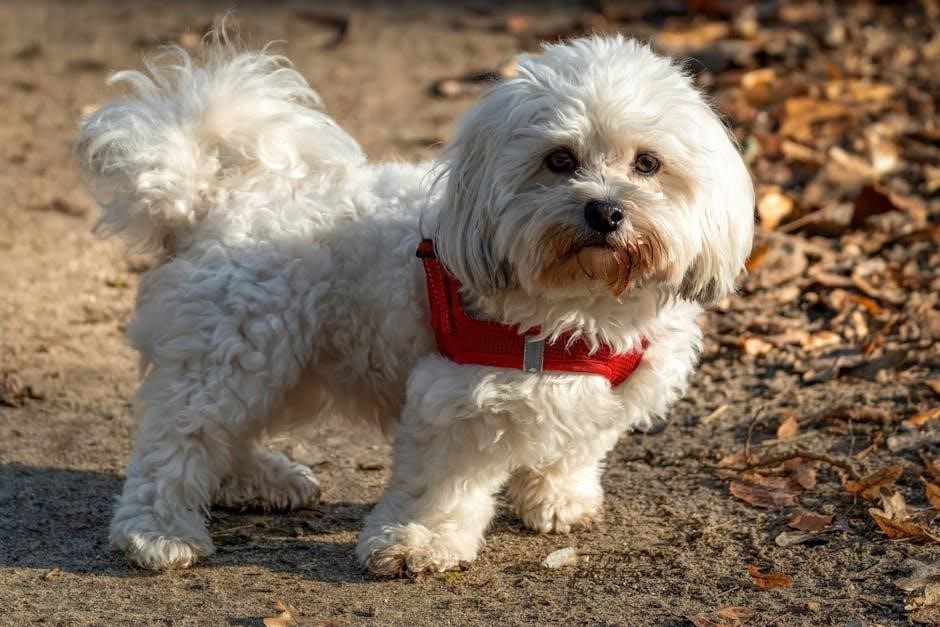
Addressing fit problems ensures optimal comfort and effectiveness. Common issues include slipping, rotation, or rubbing; adjustments to straps are often the solution for a secure fit.
Harness Slipping or Rotating
If the Easy Walk Harness is slipping or rotating during your walk, it typically indicates that the straps aren’t adjusted snugly enough. Begin by re-checking the shoulder strap; it should fit closely but comfortably over your dog’s shoulders, preventing the harness from sliding forward.
Next, focus on the belly strap. Ensure it’s positioned correctly and tightened to a point where you can comfortably slide two fingers underneath. A loose belly strap is a primary cause of rotation. Remember to confirm perpendicular alignment between the chest and belly straps – this is crucial for stability.
Also, verify that the harness isn’t too large for your dog. Refer to the sizing guide and remeasure if necessary. A properly sized harness is the foundation for a secure and effective fit, minimizing slippage and maximizing control during walks. Consistent adjustments may be needed initially.
Strap Rubbing or Causing Discomfort
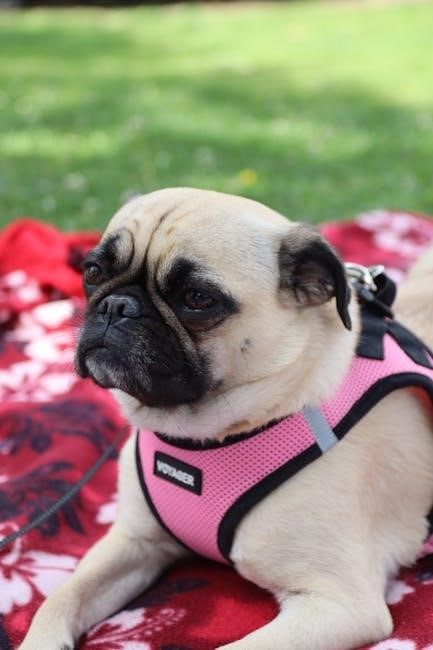
If your dog experiences strap rubbing or discomfort while wearing the Easy Walk Harness, careful adjustment and positioning are key. Ensure the chest strap doesn’t impede movement or press into the sensitive armpit area; it should sit slightly behind the front legs. Check for chafing, especially during longer walks.
Consider using a soft, breathable fabric underneath the harness if rubbing persists. Inspect the straps for any rough edges or manufacturing defects that could contribute to irritation. Proper strap tension is vital – too tight restricts movement, while too loose allows excessive rubbing.
Observe your dog for signs of discomfort, such as scratching, biting at the harness, or changes in gait. If issues continue, consult with a veterinarian or professional dog trainer to rule out any underlying medical concerns or fitting problems.
Harness Maintenance and Care
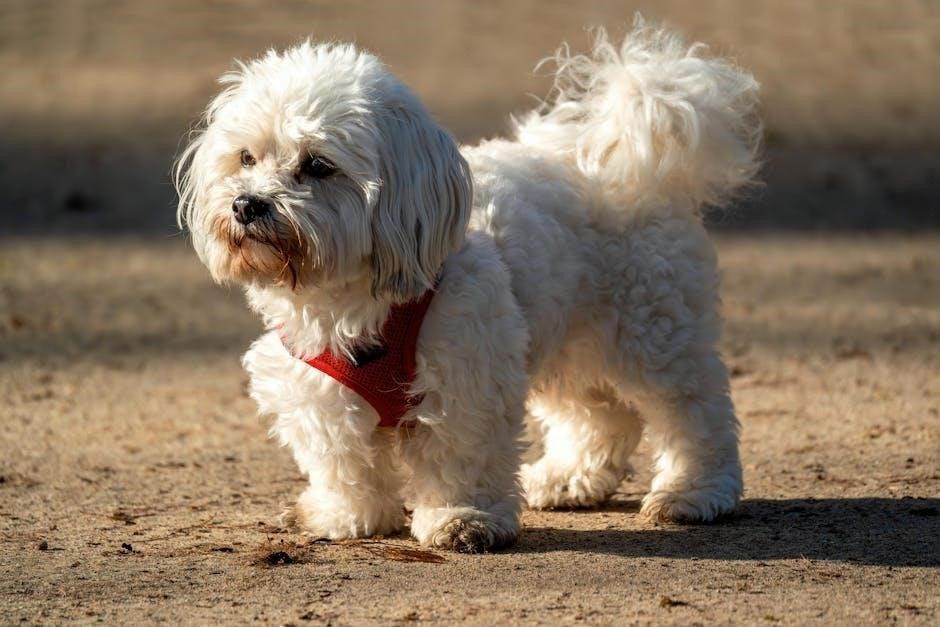
Regular cleaning and inspection are crucial for maintaining your Easy Walk Harness, ensuring its longevity and your dog’s comfort and safety during walks.
Cleaning Instructions
To effectively clean your Easy Walk Harness, begin by disconnecting all buckles and straps, preparing it for a thorough wash. Hand washing is highly recommended to preserve the harness’s integrity; however, if using a washing machine, place the harness inside a laundry bag to protect it from snagging or damage.
Utilize a mild detergent, avoiding harsh chemicals or bleach, as these can weaken the materials. Gently agitate the harness in cool water, ensuring all dirt and debris are removed. Rinse thoroughly until no soap residue remains.
Crucially, do not place the harness in a dryer. Instead, allow it to air dry completely, away from direct sunlight or heat sources. This prevents shrinking or deformation of the nylon webbing. A properly cleaned harness will remain durable and comfortable for your dog, extending its lifespan and ensuring continued safe use on your walks.
Inspecting for Wear and Tear
Regular inspection of your Easy Walk Harness is vital for your dog’s safety and comfort. Before each use, carefully examine all straps, buckles, and the webbing for signs of fraying, tearing, or weakening. Pay close attention to areas that experience high stress, such as the points where straps connect to the harness body.
Check the buckles to ensure they are securely fastening and haven’t become cracked or damaged. Look for any loose stitching or unraveling seams. If you notice any of these issues, immediately discontinue use of the harness.
A compromised harness can fail during a walk, potentially leading to your dog escaping or experiencing injury. Replacing a worn or damaged harness is a small price to pay for your pet’s well-being. Proactive inspection ensures continued safe and effective use, providing peace of mind on every adventure.
Resources for Further Information
Explore Petsafe’s official website for detailed guides and support, alongside helpful instructional videos from the Winnipeg Humane Society for optimal harness use;
Official PetSafe Easy Walk Harness Website
The official PetSafe website serves as a comprehensive resource for all things Easy Walk Harness. You’ll discover detailed product information, including sizing charts to ensure a perfect fit for your furry friend. They offer downloadable guides, frequently asked questions, and troubleshooting tips to address common concerns.
Furthermore, the website provides access to a wealth of support materials, including instructional videos demonstrating proper fitting techniques. You can explore various harness models and compare features to find the best option for your dog’s needs. Directly accessing the source ensures you receive the most up-to-date and accurate information regarding the Easy Walk Harness, maximizing its effectiveness and your dog’s comfort. Visit https://store.petsafe.net/easy-walk-harness to learn more.
Winnipeg Humane Society Instructional Videos
The Winnipeg Humane Society provides exceptionally clear and concise instructional videos demonstrating how to properly fit an Easy Walk Harness. These videos are a fantastic visual aid, breaking down the process into easy-to-follow steps. They cover everything from initial placement of the shoulder strap to securing the belly strap and making necessary adjustments for a snug, comfortable fit.
The videos specifically highlight key fitting considerations, such as ensuring proper chest strap placement and maintaining perpendicular strap alignment. They address common fitting issues, like the harness slipping or causing discomfort, offering practical solutions. These resources are invaluable for new users, ensuring a safe and effective experience with the harness. Find these helpful guides at https://www.youtube.com/watch?v=Vw-W-w-w-w.
No Responses