
Asko Dishwasher User Manual: A Comprehensive Guide
Welcome! This detailed manual provides essential instructions for your Asko dishwasher‚ ensuring optimal performance and longevity‚ starting today‚ November 2nd‚ 2026․
Congratulations on selecting an Asko dishwasher – a premium appliance designed for superior cleaning performance and lasting reliability․ This section introduces you to the core features and benefits of your new dishwasher‚ helping you quickly become familiar with its operation․ Asko dishwashers are renowned for their innovative technology‚ focusing on water efficiency‚ gentle dish care‚ and quiet operation․
This user manual serves as a comprehensive resource‚ guiding you through every aspect of dishwasher use‚ from initial setup and daily operation to troubleshooting and maintenance․ We encourage you to read this manual thoroughly before using your appliance to ensure safe and effective operation․ Understanding your dishwasher’s capabilities will maximize its performance and extend its lifespan‚ providing years of sparkling clean dishes․ Remember today’s date: November 2nd‚ 2026․
Safety Precautions
Important Safety Information: Prioritize safety when installing and operating your Asko dishwasher․ This appliance is designed with multiple safety features‚ but responsible use is crucial․ Always disconnect the power supply before performing any maintenance or cleaning․ Never allow children to operate the dishwasher unsupervised‚ or to play with its controls․

Ensure proper grounding to prevent electrical shock․ Do not modify the power cord or plug․ If the supply cord is damaged‚ it must be replaced by a qualified technician․ Avoid storing flammable materials near the dishwasher․ Only use detergents and rinse aids specifically designed for dishwashers․ Refer to the detergent manufacturer’s instructions for proper usage․ Remember today is November 2nd‚ 2026‚ and safety is paramount for a trouble-free experience․
General Safety Warnings
Read Carefully: Before using your Asko dishwasher‚ thoroughly review these general safety warnings․ Misuse can lead to potential hazards․ Do not sit or stand on the dishwasher door‚ as it may cause damage or injury․ Keep the area around the dishwasher clear of obstructions․
Never attempt to repair the dishwasher yourself; contact a qualified service technician for assistance․ Be cautious when opening the door after a wash cycle‚ as hot steam may escape․ Avoid touching the heating element immediately after use․ Ensure proper ventilation in the room․ This appliance is intended for household use only․ Improper installation or operation voids the warranty․ Remember today is November 2nd‚ 2026‚ and adhering to these warnings ensures safe operation․
Electrical Safety
Important Precautions: To prevent electrical shock‚ never operate the Asko dishwasher with a damaged power cord or plug․ Ensure the voltage and frequency of your power supply match the dishwasher’s specifications․ Do not immerse the power cord or plug in water or other liquids․

Always unplug the dishwasher before cleaning or performing maintenance․ Avoid using extension cords or adapters․ If the power supply cord is damaged‚ it must be replaced by a qualified technician․ Never attempt to modify the electrical system of the dishwasher․ Grounding is essential for safety; do not disable the grounding prong․ Remember today is November 2nd‚ 2026‚ and following these guidelines minimizes electrical hazards and ensures safe operation of your appliance․
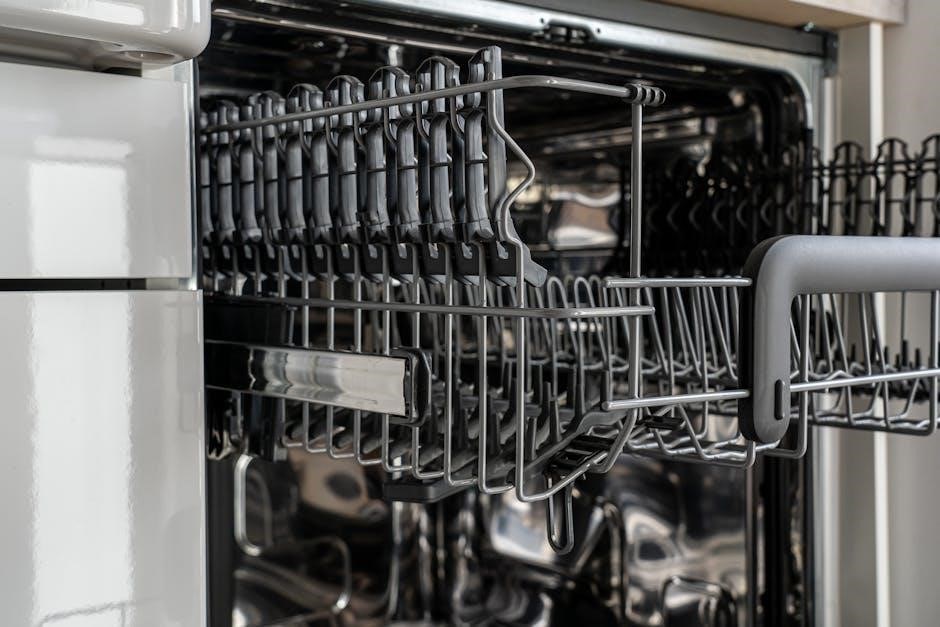
Dishwasher Components & Overview
Understanding Your Asko Dishwasher: This section details the key components of your appliance․ The exterior features the control panel‚ door latch‚ and ventilation system․ Inside‚ you’ll find adjustable racks‚ spray arms – crucial for water distribution – and a detergent dispenser․
The filter system prevents food particles from recirculating‚ maintaining cleaning efficiency․ Familiarize yourself with the location of the water inlet valve and drain hose for installation and maintenance․ Proper understanding of these components‚ as of November 2nd‚ 2026‚ will aid in optimal operation and troubleshooting․ Refer to the diagrams for visual identification of each part‚ ensuring you can confidently navigate your dishwasher’s structure․
Interior Layout & Spray Arms

Maximizing Space & Cleaning: The Asko dishwasher’s interior is designed for flexible loading․ Adjustable racks accommodate various dish sizes‚ from delicate glassware to large pots and pans․ Upper racks often feature foldable tines for taller items; Lower racks are ideal for heavier‚ more soiled dishes․
Crucially‚ the spray arms – typically located on the bottom and middle levels – rotate to deliver high-pressure water jets․ Ensure these arms aren’t obstructed by tall items‚ as this impacts cleaning performance․ As of November 2nd‚ 2026‚ inspect the spray arm holes regularly for blockages․ Proper arrangement and unobstructed spray arms guarantee thorough cleaning throughout every cycle․
Control Panel Explained
Navigating Your Dishwasher’s Settings: The Asko dishwasher’s control panel offers intuitive operation․ A digital display showcases the selected program‚ remaining cycle time‚ and any error messages․ Buttons or a touch screen allow you to select wash programs – Eco‚ Intensive‚ Quick Wash‚ and more – tailored to your dishwashing needs․
Additional functions‚ such as delay start and extra hygiene options‚ are also accessible․ As of November 2nd‚ 2026‚ familiarize yourself with the indicator lights for rinse aid and salt levels․ These alerts prompt timely refills․ Understanding each button and indicator ensures you utilize the dishwasher’s full potential for sparkling clean results and efficient operation․
Getting Started: Initial Setup
Preparing for First Use: Before operating your new Asko dishwasher – as of November 2nd‚ 2026 – proper setup is crucial․ Remove all packaging materials from both inside and outside the appliance․ Verify that all components are present and undamaged․ Ensure the dishwasher is positioned on a level surface to prevent vibrations and ensure optimal performance․
Carefully review the installation requirements detailed in this manual․ Proper water connection and drainage are essential․ Before the initial wash‚ add dishwasher salt (if applicable to your model) and rinse aid to their respective compartments․ Run a short‚ empty cycle to flush the system and prepare it for regular use․ This initial setup guarantees a clean start․
Installation Requirements
Essential Considerations: Installing your Asko dishwasher (as of November 2nd‚ 2026) requires careful attention to detail․ A dedicated electrical connection‚ matching the dishwasher’s specifications‚ is paramount․ Ensure the water supply line is compatible and provides adequate pressure․ The drain hose must be correctly connected to prevent backflow and leaks․
The installation area needs sufficient ventilation and should be protected from extreme temperatures․ Verify the floor is level and capable of supporting the dishwasher’s weight‚ especially when fully loaded with dishes․ Adhere to local plumbing and electrical codes throughout the installation process․ Improper installation can void the warranty and compromise performance․ Professional installation is recommended for optimal results․
Connecting Water & Drainage
Water Connection: To connect the water supply (current date: November 2nd‚ 2026)‚ use a new‚ approved flexible hose․ Ensure the connection is tight to prevent leaks․ A shut-off valve is crucial for maintenance and emergencies․ Water pressure should be within the dishwasher’s specified range – check your model’s details․
Drainage Setup: The drain hose must be securely connected to a suitable drain point‚ ideally with an air gap to prevent back-siphonage․ Avoid sharp bends or kinks in the hose‚ as these can restrict water flow․ Ensure the drain hose is positioned higher than the floor drain to facilitate proper drainage․ Regularly inspect connections for leaks and tighten as needed․ Proper connection ensures efficient operation․
Using Your Asko Dishwasher: Daily Operation
Preparation is Key: Before each wash cycle (as of November 2nd‚ 2026)‚ scrape off large food particles from dishes․ Pre-rinsing is generally unnecessary with modern detergents‚ saving water and energy․ Load dishes according to the ‘Loading the Dishwasher Correctly’ guidelines – avoid overcrowding․
Detergent & Cycle Selection: Add the appropriate amount of detergent and rinse aid to the designated compartments․ Select the wash program best suited to the load’s soil level – Eco for lightly soiled‚ Intensive for heavily soiled items․ Press the start button to initiate the cycle․ Monitor the dishwasher during operation for any unusual noises or leaks․
Loading the Dishwasher Correctly
Maximize Space & Cleaning: Proper loading (as of November 2nd‚ 2026) is crucial for optimal cleaning performance․ Place heavily soiled items in the lower rack‚ facing the spray arms․ Ensure items don’t obstruct the spray arms’ rotation․ Glasses and cups should be loaded securely in the upper rack‚ facing downwards․
Utensil Basket: Distribute utensils evenly in the utensil basket‚ alternating forks‚ spoons‚ and knives to prevent nesting․ Avoid overloading the basket․ Large items like pots and pans should be positioned to allow water circulation․ Check that nothing protrudes and blocks the door from closing completely․ Incorrect loading can lead to poor cleaning results․
Detergent & Rinse Aid Usage
Optimal Results (November 2nd‚ 2026): Always use dishwasher detergent specifically designed for automatic dishwashers․ The amount of detergent depends on the wash program and the level of soiling․ Refer to the detergent manufacturer’s instructions for dosage․ Avoid using hand dish soap‚ as it creates excessive suds․
Rinse Aid: Rinse aid helps water sheet off dishes‚ preventing spots and streaks‚ and improving drying․ Fill the rinse aid dispenser regularly․ Adjust the rinse aid level based on water hardness; harder water requires a higher setting․ Regularly check and refill both detergent and rinse aid for consistently sparkling clean dishes․ Using the correct amounts ensures efficient cleaning and prevents residue․
Wash Programs & Cycles
Program Selection (November 2nd‚ 2026): Your Asko dishwasher offers a variety of wash programs tailored to different needs․ These include Eco‚ Intensive‚ Quick Wash‚ and potentially others like Glassware or Auto programs․ The Eco program is designed for normally soiled dishes‚ maximizing energy and water efficiency․ The Intensive program tackles heavily soiled pots and pans‚ utilizing higher temperatures and longer wash times․
Cycle Customization: The Quick Wash program is ideal for lightly soiled dishes needing a fast refresh․ Explore the control panel to understand each program’s specific settings and duration․ Selecting the appropriate program ensures optimal cleaning performance and protects your dishes․ Refer to the detailed explanations for each program to make informed choices․
Eco Program – Detailed Explanation
Optimized for Sustainability (November 2nd‚ 2026): The Eco program on your Asko dishwasher is engineered to minimize environmental impact without compromising cleaning performance․ This cycle utilizes lower water temperatures and extended wash durations to achieve excellent results while conserving resources․ It’s ideal for everyday dishwashing loads with normal levels of soiling․

Program Parameters: Expect a longer cycle time compared to more intensive programs‚ typically ranging from 180 to 240 minutes․ Water consumption is significantly reduced‚ and energy usage is optimized․ For best results‚ ensure dishes are scraped of large food particles before loading․ The Eco program is a responsible choice for environmentally conscious users․
Intensive Program – When to Use
Tackling Stubborn Residue (November 2nd‚ 2026): The Intensive program is your go-to solution for heavily soiled dishes‚ pots‚ and pans․ This cycle employs higher water temperatures‚ increased water pressure‚ and a prolonged wash duration to effectively remove baked-on food and stubborn grease․ It’s specifically designed for items that require a powerful cleaning action․
Ideal Scenarios: Utilize the Intensive program for casserole dishes‚ ovenware‚ and items that have been left to soak for extended periods․ While effective‚ it consumes more water and energy than other cycles․ Pre-soaking particularly difficult items can further enhance the program’s performance․ Remember to check detergent compatibility for optimal results with heavily soiled loads․
Quick Wash Program – For Lightly Soiled Dishes
Speed and Efficiency (November 2nd‚ 2026): The Quick Wash program is perfectly suited for dishes with minimal food residue – think lightly used glasses‚ cups‚ and plates․ This cycle prioritizes speed‚ completing a full wash in a significantly shorter timeframe compared to standard programs․ It utilizes moderate water temperatures and a reduced wash duration‚ making it an eco-conscious choice for everyday cleaning․

Best Practices: Avoid using the Quick Wash program for heavily soiled items‚ as cleaning performance may be compromised․ It’s ideal for refreshing dishes used for a single meal․ Ensure proper loading to allow water to reach all surfaces․ Using a high-quality detergent is still recommended‚ even with lightly soiled loads‚ to achieve sparkling clean results efficiently․
Troubleshooting Common Issues
Addressing Problems (November 2nd‚ 2026): This section provides solutions to frequently encountered issues with your Asko dishwasher․ Before contacting customer support‚ review these common problems and their resolutions․ Remember to always disconnect the power supply before attempting any internal checks or repairs for safety․ A flashing error code on the control panel indicates a specific malfunction; consult the full error code list in the appendix of this manual․
Initial Checks: Verify the water supply is fully connected and the drain hose isn’t kinked or blocked․ Ensure the dishwasher door is securely latched․ If issues persist‚ consult the dedicated sections for ‘Dishwasher Not Starting’ or ‘Poor Cleaning Performance’ for more detailed guidance․ Always prioritize safety and avoid attempting complex repairs yourself․
Dishwasher Not Starting
Troubleshooting a Non-Starting Dishwasher (November 2nd‚ 2026): If your Asko dishwasher fails to start‚ first confirm it’s properly plugged into a functioning power outlet․ Check the circuit breaker or fuse box to ensure the circuit hasn’t tripped or blown․ Verify the door is securely latched; the dishwasher won’t operate if the door isn’t fully closed․

Further Investigation: Examine the control panel for any error codes displayed‚ referencing the comprehensive error code list in the appendix․ If no error code appears‚ test the power supply to the unit․ If these steps don’t resolve the issue‚ avoid attempting internal repairs and contact Asko customer support for assistance․ Remember safety first – disconnect power before any inspection․
Poor Cleaning Performance

Addressing Unsatisfactory Cleaning (November 2nd‚ 2026): If dishes aren’t coming out clean‚ several factors could be at play․ Ensure you’re using the correct amount of detergent‚ appropriate for water hardness and soil level․ Verify the spray arms are clear of obstructions – food particles can block the nozzles‚ hindering cleaning effectiveness․
Optimizing Wash Results: Confirm proper loading techniques are followed; overcrowding prevents water circulation․ Check the water temperature reaching the dishwasher; it should be at least 120°F (49°C)․ Inspect the filter for debris and clean it regularly․ If issues persist‚ consider using a dishwasher cleaner to remove buildup․ Contact Asko support if problems continue despite these checks․
Cleaning & Maintenance
Maintaining Your Asko Dishwasher (November 2nd‚ 2026): Regular cleaning extends the life of your appliance and ensures optimal performance․ Monthly‚ clean the dishwasher filter to remove food particles and prevent blockages․ Periodically‚ run an empty cycle with a dishwasher cleaner to eliminate grease and limescale buildup․
Exterior & Interior Care: Wipe down the exterior with a damp cloth and mild detergent․ Avoid abrasive cleaners․ Inspect the door seals for damage and clean them to maintain a tight seal․ Regularly check the spray arms for clogs and remove any obstructions․ Proper maintenance prevents odors and ensures consistently sparkling clean dishes․ Refer to the Asko website for recommended cleaning products․
Welcome to Asko! This comprehensive guide‚ current as of November 2nd‚ 2026‚ is designed to provide you with all the information needed to effectively operate and maintain your new Asko dishwasher․ We’ve meticulously crafted this manual to ensure a seamless user experience‚ from initial setup to daily operation and troubleshooting․
Inside‚ you’ll find detailed explanations of each feature‚ wash program‚ and component․ Understanding your dishwasher’s capabilities will allow you to achieve optimal cleaning results and prolong its lifespan․ Please read this manual thoroughly before first use to maximize your Asko dishwasher’s potential․
No Responses